Address the Root of Problem Behaviors
Behavior modification services in Houston help dogs work through anxiety, aggression, and reactivity using positive methods and gradual confidence rebuilding.
When your dog lunges at other dogs on walks in Houston, barks aggressively at strangers approaching your door, or shows fear-based reactions to loud sounds or unfamiliar environments, those behaviors often come from underlying anxiety or poor early socialization. Behavior modification services address the root causes rather than suppressing symptoms. Montreal professional dog training services works with you to identify what triggers the behavior and builds a plan that reduces your dog's stress response over time through gradual exposure and positive reinforcement.
Each plan is customized to your dog's specific triggers and includes steps that help your dog feel safe while learning new responses. Sessions focus on building confidence in situations your dog currently finds overwhelming. You receive guidance on how to manage your dog's environment at home and what to avoid during the rebuilding process. Follow-up support helps you adjust the plan as your dog progresses and gives you a way to troubleshoot setbacks without reverting to old patterns.
If your dog's behavior is affecting your household or limiting where you can take them in Houston, contact us to schedule a behavior assessment and discuss a modification plan.
How the Process Reduces Reactive Responses
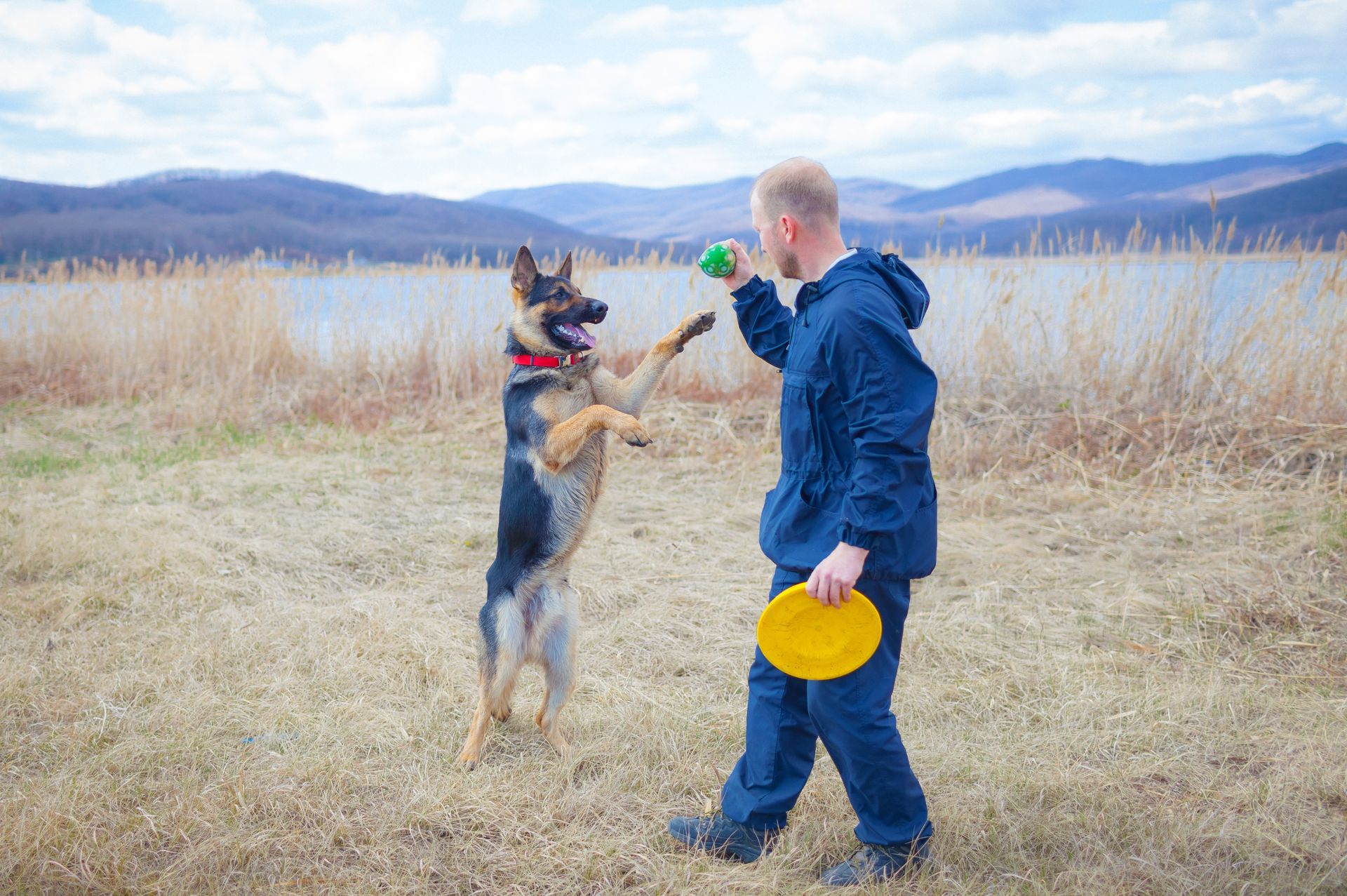
Behavior modification starts with a detailed assessment that identifies what situations trigger your dog's fear, aggression, or reactivity. You walk through recent incidents and describe your dog's body language, the environment, and what happened before and after the reaction. This information helps create a plan that avoids flooding your dog with too much too soon and instead introduces controlled exposure at a pace your dog can handle in Houston.
As your dog works through the plan, you will notice they remain calmer in situations that previously caused barking, lunging, or cowering. Your dog will look to you for direction instead of reacting impulsively when they see a trigger. These changes happen because your dog learns that the trigger is not a threat and that calm behavior leads to positive outcomes. Progress varies depending on how long the behavior has been reinforced and how intense your dog's reactions are.
Ongoing support includes follow-up sessions where you review what is working and adjust the plan if your dog encounters new triggers or regresses in certain situations. You also receive guidance on maintaining progress long-term so your dog does not return to reactive patterns once formal sessions end. Behavior modification is a gradual process that requires consistency at home and patience as your dog rebuilds confidence.
Concerns we hear from dog owners regularly
Dog owners in Houston often worry about how long behavior modification takes, whether their dog can actually change, and what they need to do differently at home. These questions reflect the real challenges of living with a reactive or anxious dog and what to prepare for during the process.
If your dog's reactivity or anxiety is limiting what you can do together in Houston, behavior modification services help you address the underlying causes and rebuild your dog's confidence through gradual, humane methods. Montreal professional dog training services customizes each plan to your dog's triggers and provides ongoing support as your dog progresses. Learn more about scheduling a behavior assessment.